


 marketing@expomax.com.cn



SEG Lightboxes for Retail Stores: Wall-Mounted vs. Freestanding Displays
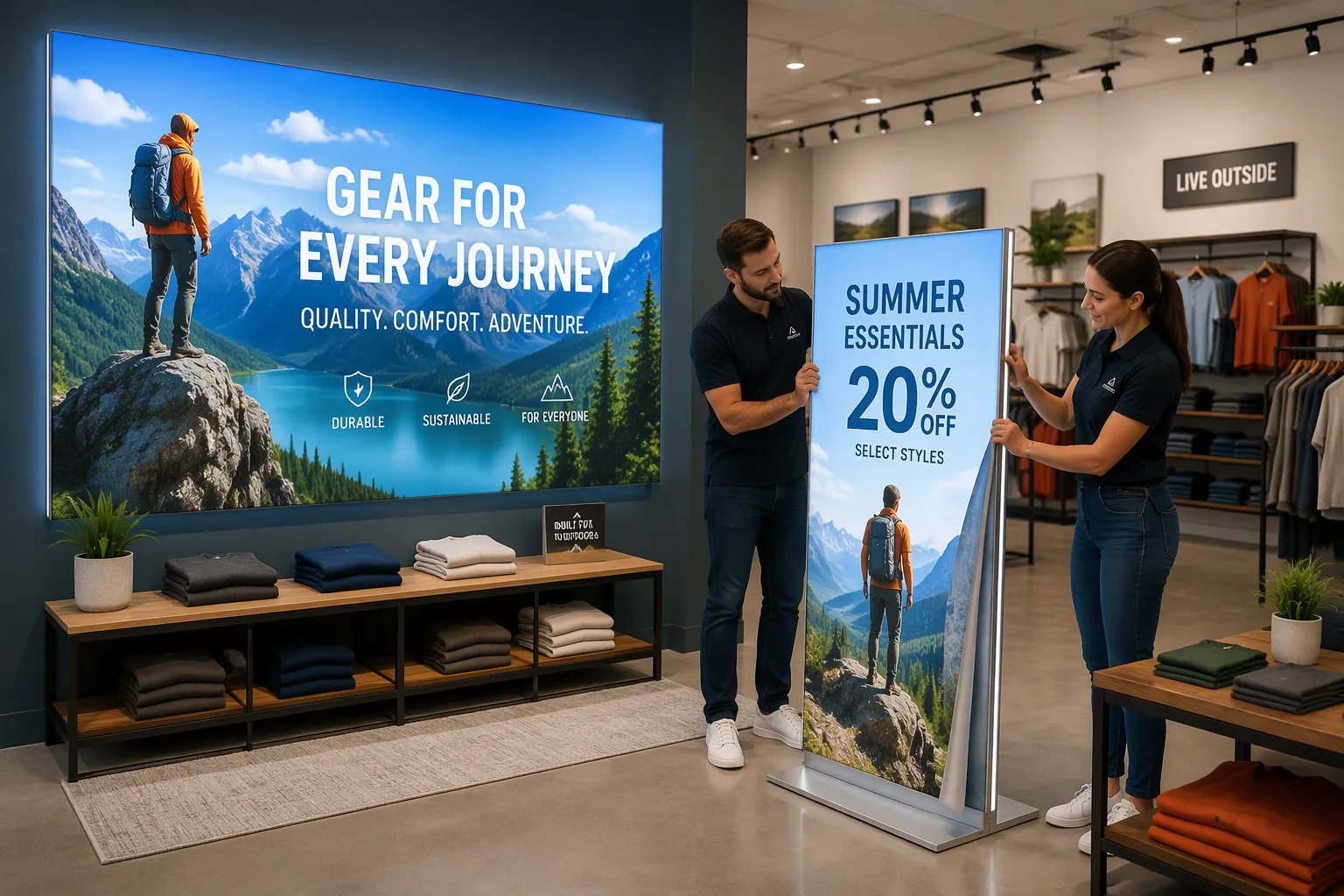
When you plan SEG lightboxes for retail stores, you face a common question: which format works better? Neither wall-mounted nor freestanding lightboxes win by default. Your store layout, budget, and marketing goals decide the answer. A tight sales floor with strong walls rewards one approach. A flexible promotional zone rewards the other. This guide acts as a practical decision aid for retail owners and managers. You will compare both formats on real performance, space use, compliance, and cost. Each format fits specific retail settings. Your job is to match the display to your space and your campaign plans, not to chase a universal winner.
Key Takeaways
Wall-mounted lightboxes save floor space and work well for long-term branding on solid walls.
Freestanding lightboxes are easy to move around and work well for promotions that change often.
Both types use the same lighting and graphics, so the image quality stays the same.
Wall-mounted units must be attached to the wall. Freestanding units are quick to set up and do not need a wall.
Look for electrical safety marks and fire ratings before you order any lightbox.
Technical Performance of SEG Lightboxes
Brightness and Graphic Resolution
Both formats use the same LED engine. Wall-mounted and freestanding units can share the SEGQUICK Lightbox LED system. This means brightness and evenness stay the same across your store. This shared platform makes your planning easier. You pick one lighting system for every backlit seg display systems unit on your floor.
Dye-sublimation printing drives the image quality of seg graphics. The process bonds ink into the fabric fibers. The result holds fine detail and rich color. A silicone edge graphic stays tight inside its frame channel. Rigid SEG graphics hold their shape better than traditional fabric. So the face stays flat and the backlit glow looks even from edge to edge. You see crisp text and clean product shots up close.
Durability and Reliability
Frame construction decides how long your investment lasts. EXPOMAX SEGQUICK Lightbox profiles come in 60mm, 65mm, 80mm, and 120mm widths. They also come in aluminum and PVC material options. Aluminum frames resist warping through repeated packing and transport. PVC frames work well for multiple shows, but their connectors may wear out after about 15–20 cycles. For exhibitors who attend more than three shows per year, aluminum gives better long-term value.
The LED system supports that reliability. SEGQUICK Lightbox use high-quality OSRAM LEDs with a rated lifetime of 50,000+ hours. SEG frames have a typical design life of more than 5 years. These figures apply to both wall-mounted and freestanding backlit seg frames. So neither format carries a lighting penalty. Choose your profile width and material by campaign frequency and handling demands, not by mounting style. That approach keeps your seg light boxes dependable through many seasons of retail use.
Application Fit for SEG Lightboxes for Retail Stores
Wall-Mounted SEG Light Boxes: Best Use Cases
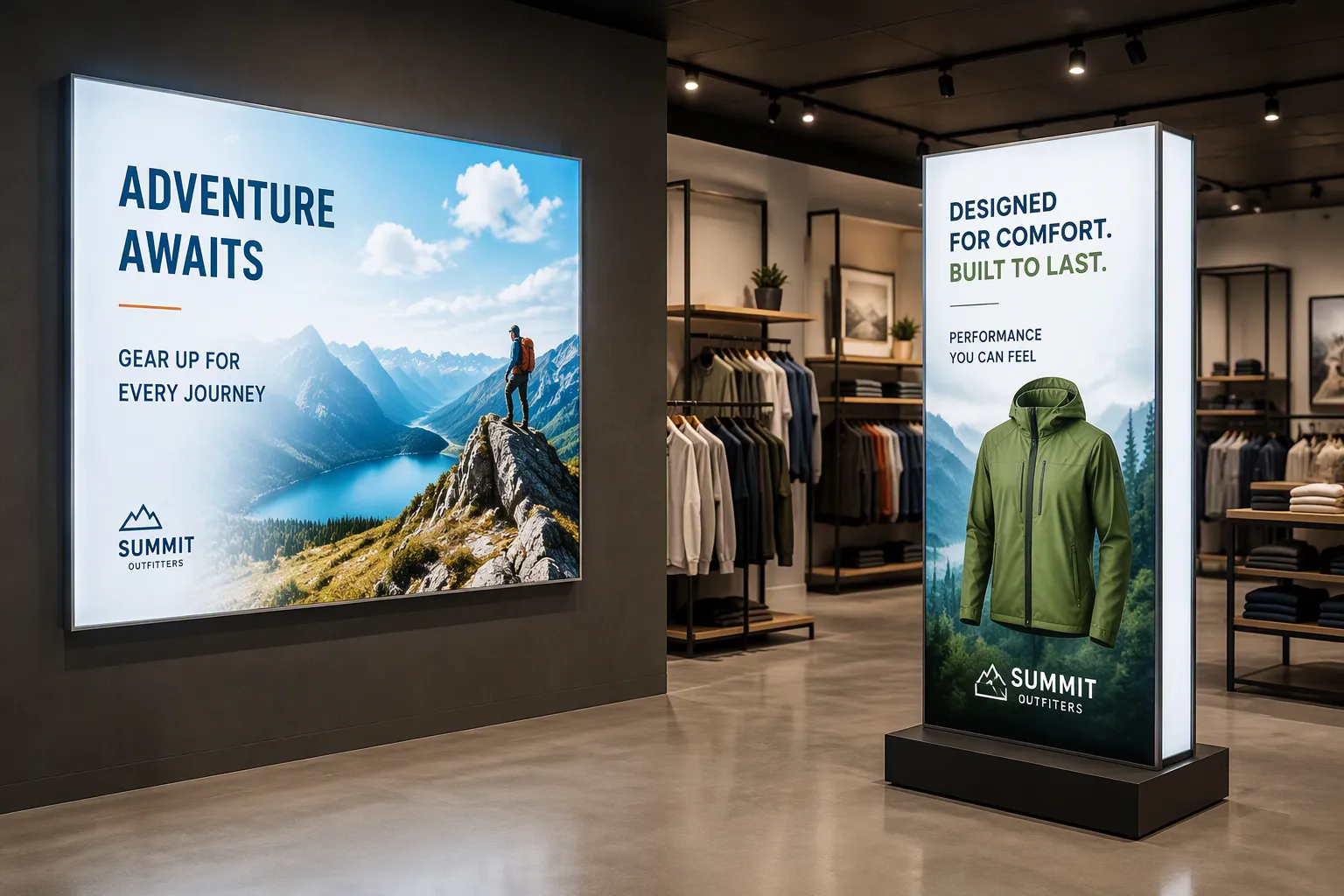
Wall-mounted seg light boxes work well for long-term branding. You attach them to a fixed wall, so they become part of the store's design. Feature walls for permanent or semi-permanent setups are among the best uses. Department signage inside stores also works well. Seasonal campaign displays and brand storytelling zones fit this format too. Lit versions are popular in apparel and fashion retail, beauty and cosmetics, electronics, athletic and lifestyle brands, airport retail, and entertainment spaces.
Wall-mounted SEG frames are suited to a wide range of environments such as offices, waiting rooms, retail stores, and locker rooms, and are offered in depths from 0.625″ to 4.75″ in both lit and non-lit versions.
Aisle-facing walls and backwalls give you high visibility without using floor space. Stores with little floor space gain the most here. The format does have one condition: you need a solid wall to mount against. Backlit seg graphics on a wall draw the eye upward and catch attention in busy public spaces. These seg lightboxes for retail stores work best when your message stays put for months.
Freestanding SEG Light Boxes: Best Use Cases
Freestanding seg light boxes stand on their own base. No wall mounting is needed, so you can place them anywhere on the floor. This makes them ideal for trade shows, where they act as booth backdrops that define a display area. Promotions benefit as well. Bright lighting highlights new products or ad campaigns and pulls customers in. A freestanding backlit wall can link multiple units into a larger backwall for showrooms and conferences.
The same frame supports updated messaging, because you can swap the seg graphics for each event. That flexibility makes these seg lightboxes for retail stores and mall displays a strong pick for changing campaigns. Double-sided seg light boxes add value in open floor plans, where shoppers come from two directions. You can also mix wall-mounted, suspended and freestanding setups in one plan.
EXPOMAX modular seg lightbox systems cover wall-mounted, modular, and backlit counter formats. Accessories such as TV mounts, shelves, and pegboards extend each unit's role. Modular seg lightboxes let you build a backlit counter or a shelf display from the same profile family. For retail displays that must change between campaigns, this modularity keeps your seg light box inventory working harder. A single seg light box format can serve several zones across the year.
Space Utilization in Retail Stores
Maximizing Walls and Vertical Space
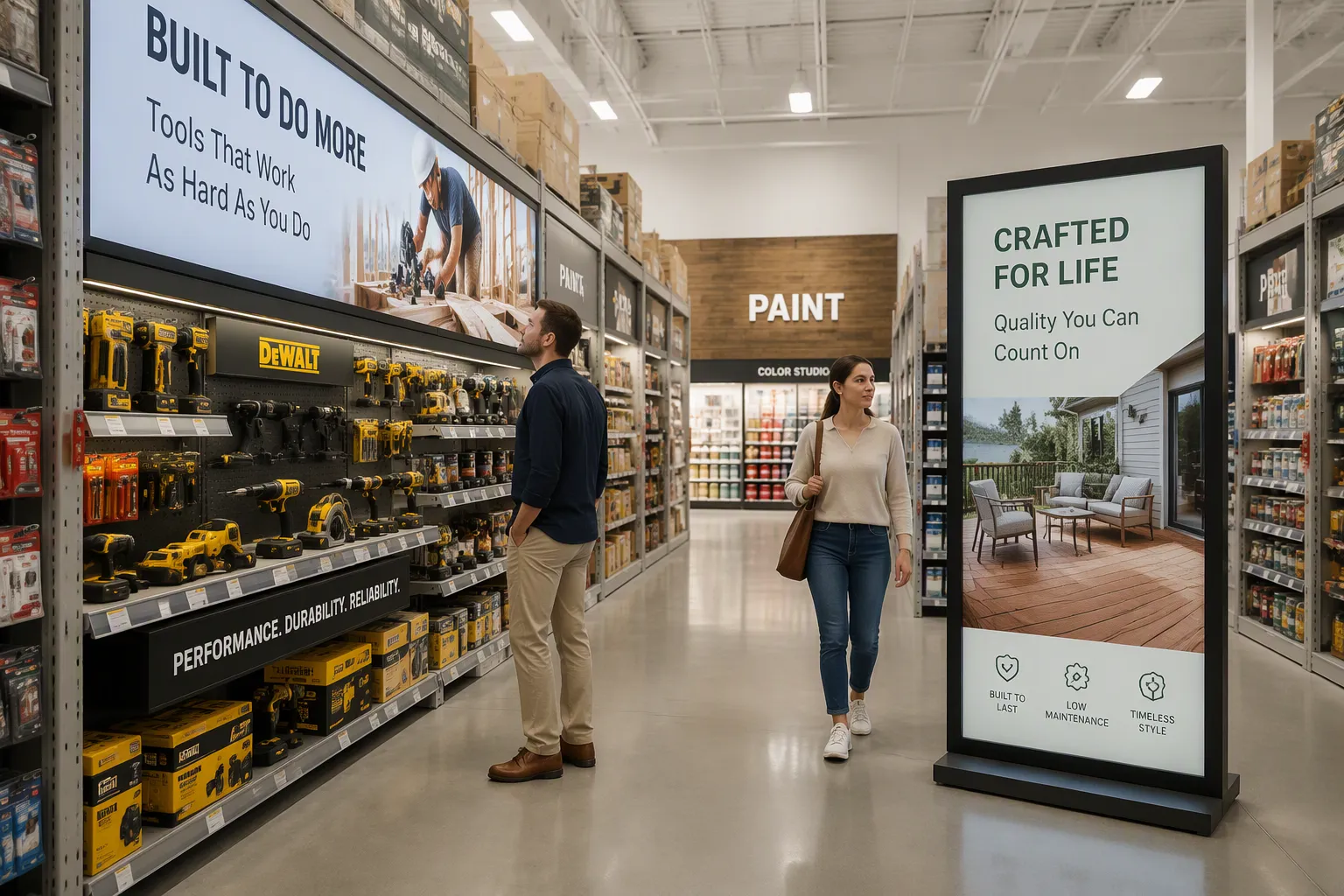
Wall-mounted units free up floor space and draw the eye upward. This setup works well for narrow aisles and busy stores, where every square foot of selling space matters. You attach the seg light boxes to a solid wall and keep the walkway open. Shoppers can move through the aisle without stepping around a display base.
Vertical merchandising makes that effect stronger. Customers look at shelves from top to bottom, not side to side, so a tall backlit face fits natural eye movement. You can use the same idea for your product layout:
Put high-demand and high-margin items at eye level, where shoppers can see and reach them easily.
Pair complementary items in vertical columns.
Use clear signs for offers and bestsellers, and change products often.
Keep shelves full and neat, and use lighting to highlight key sections.
These habits boost impulse buys and help small stores look organized instead of crowded.
Flexible Placement and Floor Space Trade-Offs
Freestanding units take up their own floor area instead of reusing existing fixtures. That trade-off gives you freedom to place them. You can move a unit to an entrance, a mid-aisle spot, or a launch zone, and shoppers can walk around it from all sides. Think about the costs before you give up prime floor space:
Trade-off Dimension | Floor Space Implication |
|---|---|
Location flexibility | Uses its own floor space instead of reusing gondola ends |
Visibility vs. space | Busy spots can beat endcaps, but prime floor space is limited and costly |
SKU capacity | Fewer SKUs with strong visual impact, so more space means less variety |
Cost and ROI | Judge ROI by sales lift per square foot and gross margin, not fixture cost |
Safety and compliance | Must not block exits or narrow walkways; tall units need weighted bases |
If you choose a standalone display, check the store's sight line rules, which often require displays under a certain height to help reduce loss.
Heavy foot traffic also causes scuffs and knocks, so ask for levelers, toe kicks, and dark colors to reduce damage. Between campaigns, the SEGQUICK Lightbox flat-pack design helps you store and rebuild each seg light box without using up floor space. One seg lightboxes family can serve several zones throughout the year.
Installation and Maintenance
Mounting Requirements and Setup Effort
A wall-mounted unit needs a solid wall and a fixed-surface installation. The aluminum frame has no standard fixing points, so you drill your own holes. This design gives you maximum hanging flexibility across different wall surfaces. No wall-mounting kit comes with the frame, so plan your anchor points before the unit arrives. Large wall-mounted displays may need an extra pair of hands on longer frame sides. A freestanding unit is self-supporting and needs no wall at all.
The SEGQUICK Lightbox uses a tool-free snap-and-lock assembly, so setup time and labor stay low. A standard unit takes under five minutes to build, and one person can carry and set it up. Follow these steps:
Insert the corner connector hardware into the frame channels.
Pull the corners together and tighten the connectors with the provided Allen keys.
Connect the light bar power cords.
Flip the lightbox and install the backer fabric, corners first.
Feed the power cord through the frame hole and connect both ends.
Install the graphic the same way, then power on.
Graphic Changes and Day-to-Day Upkeep
Campaign changes are simple with replaceable silicone edge graphics. You pull the old panel from the channel and press in the new one. Replaceable SEG fabric graphics let you refresh a seg light box between seasons without new hardware. This keeps your seg light boxes working across many promotions. Swap seg graphics on a freestanding unit and move it to a new spot in minutes. The flat-pack design also makes storage easy. For a busy retail floor, this portability and reuse cut both downtime and custom retail installation costs. Wipe the profiles and check the LED connections as part of routine upkeep.
Regulatory Compliance and Safety
Electrical Safety Standards
Both formats have the same electrical safety rules. The LED drivers, wiring, and power supplies inside a wall-mounted unit are the same as in a freestanding one. So your compliance work stays the same, no matter which format you pick. One common standard for retail LED lightboxes is UL-48, the standard for electric signs. Look for lightboxes made under UL-48 certification, with LED systems and power supplies that are UL-recognized or UL-listed. That mix confirms the whole system meets strict electrical safety rules in both the United States and Canada.
Many U.S. cities require testing by a nationally recognized testing laboratory before sale. A UL or ETL mark shows that an NRTL has tested the product against set safety standards. EXPOMAX SEGQUICK Lightbox units meet CE, UL, ISO, and RoHS standards, which gives you a documented reference point when you compare suppliers. Check that the internal LED modules and transformers carry recognized marks such as UL, CE, and RoHS before you sign a purchase order.
Fire Codes and Retail Requirements
Fire codes apply to lit displays in retail stores, and you should confirm local rules before installation. Check two things with your authority having jurisdiction: the fire-retardancy rating of the graphic material and any placement limits near exits or sprinkler heads. Ask your supplier for graphic materials that meet B1 or NFPA 701 fire-retardancy standards. These ratings are the expected certification set for retail SEG lightboxes.
Confirm local fire codes for lit displays before you order. No real difference exists between wall-mounted and freestanding formats beyond placement.
Placement is where the two formats differ. A freestanding seg light box sits in the walkway, so exit clearance and base stability matter more. A wall-mounted seg light box keeps the aisle clear by design. Either way, the electrical and fire rules follow the unit, not the mounting style. Document your certifications and keep them on file for inspections. That habit protects your backlit retail displays and keeps your seg light boxes sale-ready in any market.
Cost Comparison and ROI
Initial Purchase and Installation Costs
Start your budget with the frame. Wall-mounted SEG frames cost about $80 to $1,008, based on size and profile. Freestanding units differ by size and setup, so ask for a quote for your exact floor space. Compare quotes using the same profile width and material before you choose.
Installation labor is not the same for both formats. A wall-mounted unit needs wall anchoring and drilling, and long frame sides may need a second person. A freestanding unit stands on its own, so your team can set it up without a contractor. This matters when you roll out custom seg lightboxes across many stores. Only the wall-mounted option adds custom retail installation costs. Graphic replacement costs stay about the same for both formats, since each uses the same printed panels.
Maintenance Costs and Long-Term Value
Polyester-based SEG graphic materials keep their color bright even under constant light. Strong materials lower replacement costs, so you can buy longer-lasting graphics and raise your overall return on investment. SEG lightboxes last a long time, which means a better ROI than traditional signage. They cost more upfront but pay off more over time, while cheaper options need frequent replacements. LED lighting uses very little power and lasts thousands of hours, so a backlit seg light box stays eco-friendly and cost-effective.
Good care keeps maintenance low. Clean the fabric gently with a lint roller or damp cloth, and stay away from harsh chemicals. Check the LEDs often and replace any dim or flickering units. Store custom seg fabric graphics flat, and wipe the aluminum frame to keep it free of dust. Strong aluminum frames and LED modules outlast fabric walls in busy retail spaces. EXPOMAX SEGQUICK Lightbox units offer competitive pricing, reusable modular parts, and full support, so your seg light boxes keep earning across many campaigns.
Each format gives up one strength to gain another. Wall-mounted units save floor space and hold permanent branding in place. Freestanding units give you flexibility and visibility at floor level.
Use this checklist to decide:
Choose wall-mounted when you have solid walls, little floor space, and a message that stays for months.
Choose freestanding when you need displays you can move, floor-level impact, or units you can link into larger backwalls.
Match your choice to your store layout, budget, and marketing priorities. Explore EXPOMAX SEGQUICK Lightbox options to find the right fit for your seg lightboxes for retail stores.
FAQ
Which format suits a store with very little floor space?
Choose a wall-mounted unit. It attaches to a solid wall and keeps your aisles clear. You draw the eye upward without giving up selling space. This makes wall-mounted seg light boxes a strong fit for narrow or high-traffic stores.
Can you move a freestanding unit between locations?
Yes. A freestanding unit is self-supporting and needs no wall. You can shift it to an entrance, a launch zone, or a mid-aisle spot. The flat-pack design also makes storage and transport simple between campaigns.
Do both formats use the same graphics and lighting?
Yes. Both formats can share the SEGQUICK LED system and the same dye-sublimation SEG panels. Brightness and image quality stay consistent across your floor. You swap graphics the same way on either seg light box.
How hard is installation for each option?
A freestanding unit sets up in minutes with tool-free snap-and-lock assembly. A wall-mounted unit needs wall anchoring and drilled holes, so plan your anchor points first. Long frame sides may need a second person.
What should you check before ordering?
Confirm electrical safety marks such as UL, CE, and RoHS. Ask for fire-retardancy ratings on the graphic material. Then match the format to your layout and campaign plans. These steps keep your seg lightboxes for retail stores compliant and ready.





View More(Total0)Comment lists